Website Speed Optimization Best Practices for 2026
Website speed optimization is no longer just a technical improvement—it has become a decisive factor for search engine rankings, user experience, and online conversions in 2026. As internet users grow more impatient and search engines rely heavily on real-user performance data, slow websites are automatically pushed down in search results.
Today, a fast website is not a luxury. It is a requirement.
This blog explains website speed optimization best practices for 2026 in a clear, easy-to-understand way, using real-world examples and practical insights that help businesses improve rankings and performance.
Why Website Speed Matters More Than Ever in 2026
In 2026, users expect websites to load almost instantly. Research consistently shows that if a website takes more than three seconds to load, more than half of visitors leave without interacting. This behavior sends negative signals to search engines, directly affecting SEO performance.
Google now evaluates websites based on how real users experience them. Faster websites keep visitors engaged longer, reduce bounce rates, and increase trust. For example, a business website that improved its load time from 3.8 seconds to 1.9 seconds recorded a noticeable rise in organic traffic and lead inquiries within weeks.
Website speed is no longer about pleasing algorithms—it is about satisfying real users.
Website Speed Optimization Best Practices for 2026
Website speed optimization has become one of the most decisive factors for online success in 2026. Today’s users expect websites to load almost instantly, and search engines reward those that deliver fast, smooth, and stable experiences. A slow website doesn’t just frustrate visitors—it quietly damages SEO rankings, reduces conversions, and weakens brand credibility.
In this detailed guide, we’ll explore how website speed optimization works in 2026, why it matters more than ever, and how real businesses are improving performance to gain measurable growth.
Understanding Core Web Vitals in 2026
Core Web Vitals remain the foundation of website performance measurement. These metrics reflect actual user experience instead of technical assumptions.
Largest Contentful Paint measures how quickly the main content of a page becomes visible. When users see meaningful content quickly, they are more likely to stay and explore further.
Interaction to Next Paint measures how responsive a website feels when users interact with it. Websites that respond instantly to clicks and scrolls create a smooth and professional impression.
Cumulative Layout Shift measures visual stability. Pages that shift unexpectedly during loading frustrate users and reduce trust. Stable layouts improve engagement and perceived quality.
Optimizing these metrics helps websites rank higher and retain users longer.
Image Optimization: A Major Speed Improvement Factor
Images are one of the biggest reasons websites load slowly. High-resolution images that are not optimized can dramatically increase page size and loading time.
In 2026, modern image formats such as WebP and AVIF are considered best practice because they maintain quality while reducing file size. Lazy loading ensures images load only when users scroll to them, improving initial page speed.
For example, a content-heavy website reduced its total image size by more than 60% through compression and modern formats. As a result, page load time dropped by over two seconds, significantly improving mobile performance and SEO scores.
How Caching Improves Website Performance
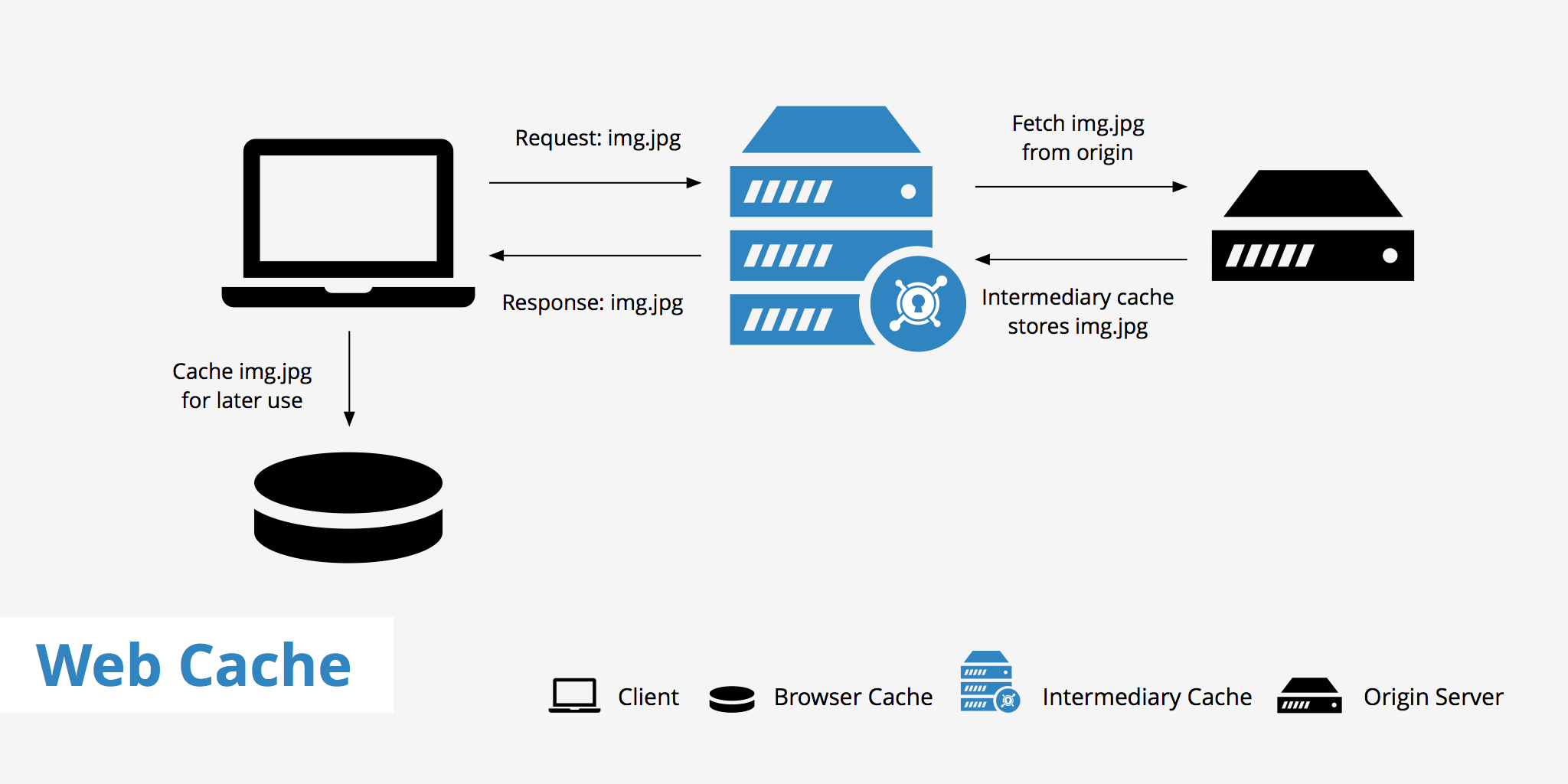
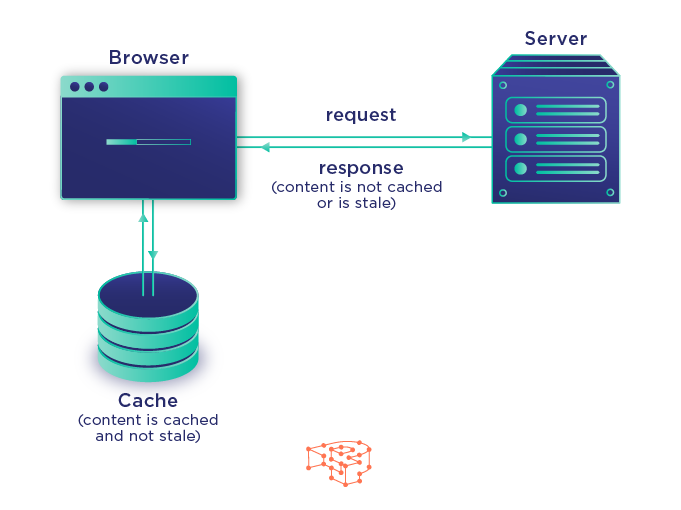
Caching allows websites to store pre-generated versions of pages instead of recreating them for every visitor. This reduces server load and delivers pages much faster.
Browser caching stores assets locally on users’ devices, while server-side caching speeds up page generation. When configured correctly, caching can make websites load up to five times faster.
Businesses using proper caching often notice immediate improvements in speed, stability, and user experience without changing design or content.
JavaScript Optimization for Faster Interactions
JavaScript plays a major role in modern websites, but excessive or poorly optimized scripts slow down performance. In 2026, websites focus on loading only essential scripts during the initial page load.
Deferring non-critical JavaScript and removing unused scripts improves responsiveness and reduces interaction delays. This is especially important for mobile users, where heavy scripts can significantly slow down performance.
Websites that optimize JavaScript often see better interaction scores and longer session durations.
Mobile Speed Optimization Is Critical
Mobile traffic dominates the internet, and Google evaluates websites using mobile-first indexing. A website that performs well on desktop but poorly on mobile will struggle to rank.
Mobile-optimized websites use lightweight layouts, simplified navigation, optimized fonts, and faster-loading images. Businesses that prioritize mobile speed consistently achieve better visibility and higher engagement.
In many cases, improving mobile speed alone results in noticeable ranking improvements.
Why Using a CDN Improves Global Performance
A Content Delivery Network distributes website content across multiple servers worldwide. This ensures visitors receive data from the nearest location, reducing latency and improving load time.
For businesses targeting users in multiple cities or regions, a CDN ensures consistent performance and better search visibility.
AI-Powered Website Speed Optimization in 2026
Artificial Intelligence has become an important part of performance optimization. AI-powered tools monitor real user behavior, detect slow elements, and automatically optimize images and scripts.
This allows websites to stay fast even as content grows and traffic increases. AI-driven optimization ensures continuous performance improvement instead of one-time fixes.
Final Thoughts: Speed Is a Ranking and Business Advantage
Website speed optimization in 2026 is essential for SEO success, user satisfaction, and business growth. Fast websites rank higher, convert better, and build stronger trust with users.
By optimizing images, scripts, hosting, mobile performance, and Core Web Vitals, businesses can gain a long-term competitive advantage in search rankings.
A faster website today means more visibility, more leads, and better results tomorrow.