
Website Speed Optimization Best Practices for 2026
Website speed optimization has become one of the most decisive factors for online success in 2026. Today’s users expect websites to load almost instantly, and search engines reward those that deliver fast, smooth, and stable experiences. A slow website doesn’t just frustrate visitors—it quietly damages SEO rankings, reduces conversions, and weakens brand credibility.
In this detailed guide, we’ll explore how website speed optimization works in 2026, why it matters more than ever, and how real businesses are improving performance to gain measurable growth.

Why Website Speed Directly Impacts SEO and User Experience
In earlier years, speed was considered a technical advantage. In 2026, it is a ranking requirement. Google now evaluates websites based on real user behavior such as how fast pages load, how quickly users can interact, and whether the layout remains stable during loading.
Studies show that more than 53% of mobile users abandon a website if it takes longer than three seconds to load. Even more importantly, Google has confirmed that faster websites receive better visibility because they provide a better user experience.
For example, a service-based website that improved its page load time from 4 seconds to under 2 seconds experienced a 27% increase in organic traffic within two months. Speed optimization directly translated into business growth.
Understanding Core Web Vitals in 2026
Core Web Vitals continue to be the backbone of Google’s performance evaluation. These metrics measure how real users experience your website rather than how it performs in ideal lab conditions.

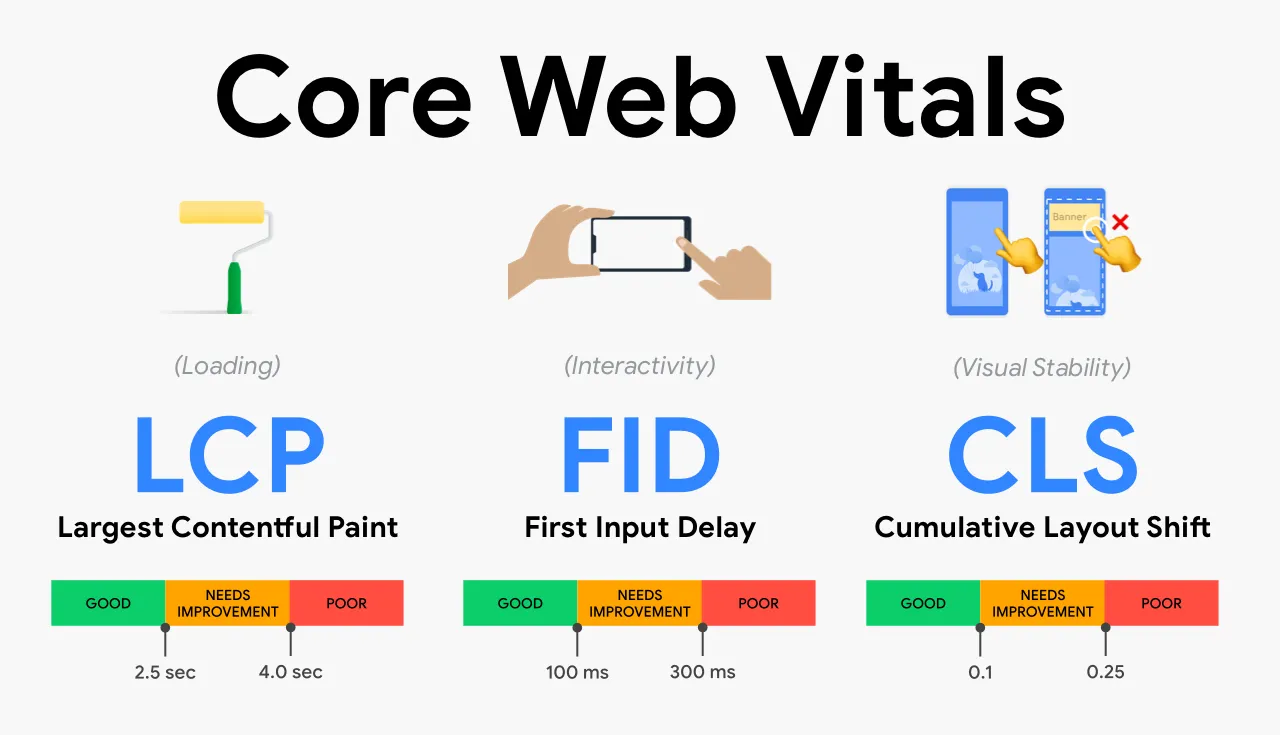
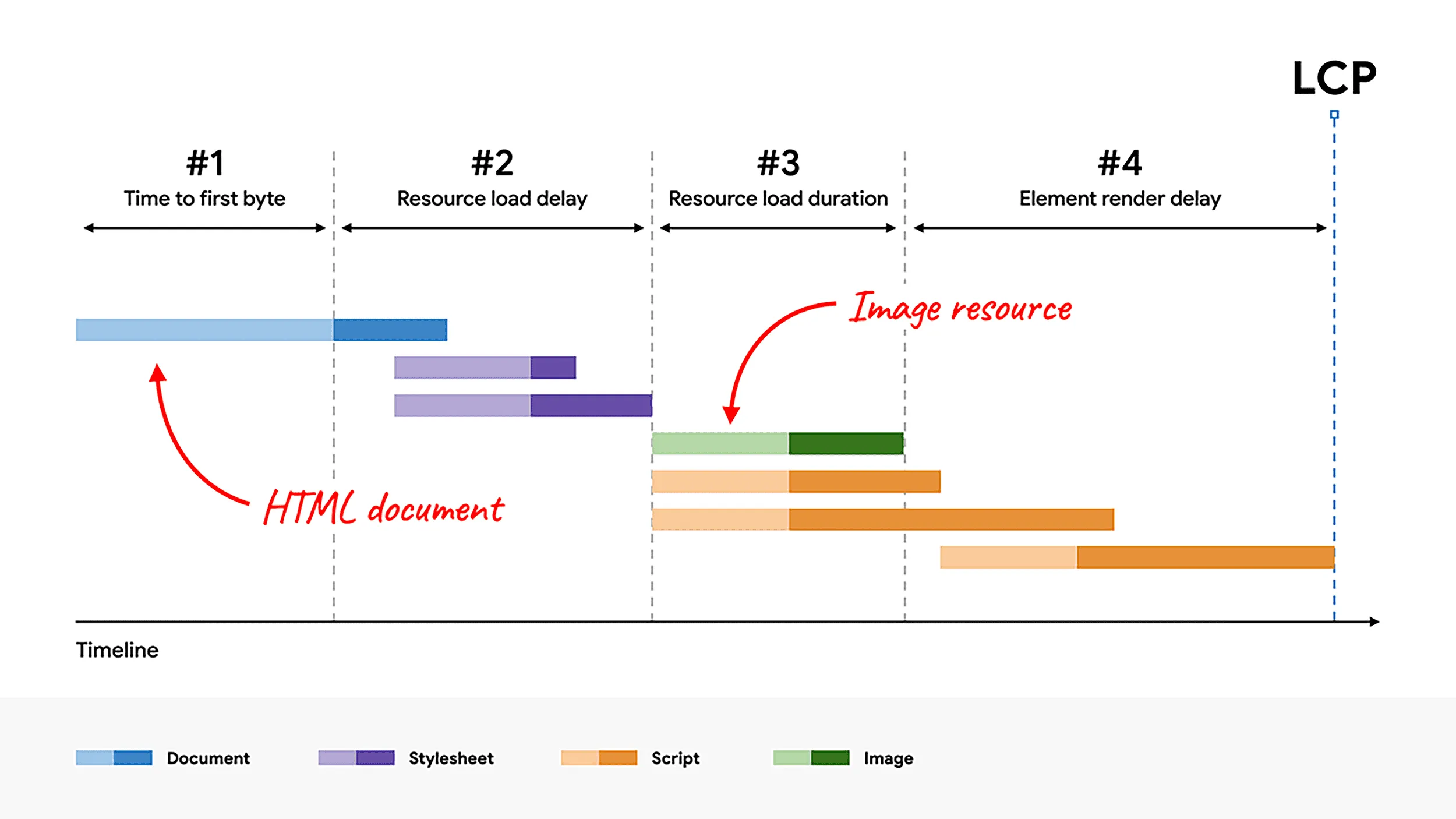
Largest Contentful Paint (LCP) measures how quickly the main content of a page becomes visible. If users have to wait too long to see meaningful content, they often leave. In 2026, websites should aim for an LCP of under 2.5 seconds to remain competitive.
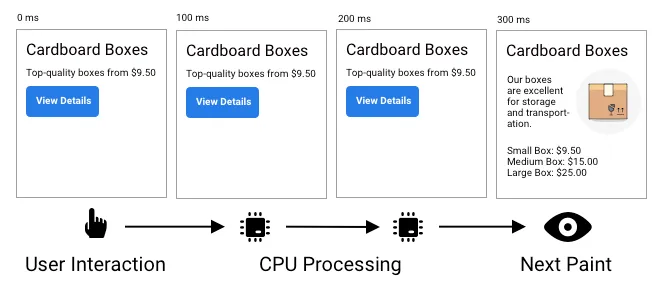
Interaction to Next Paint (INP) evaluates how responsive a website feels when users click buttons, fill forms, or scroll. Heavy JavaScript and unoptimized scripts are common reasons for poor INP scores. Websites with smooth interactions consistently retain users longer.
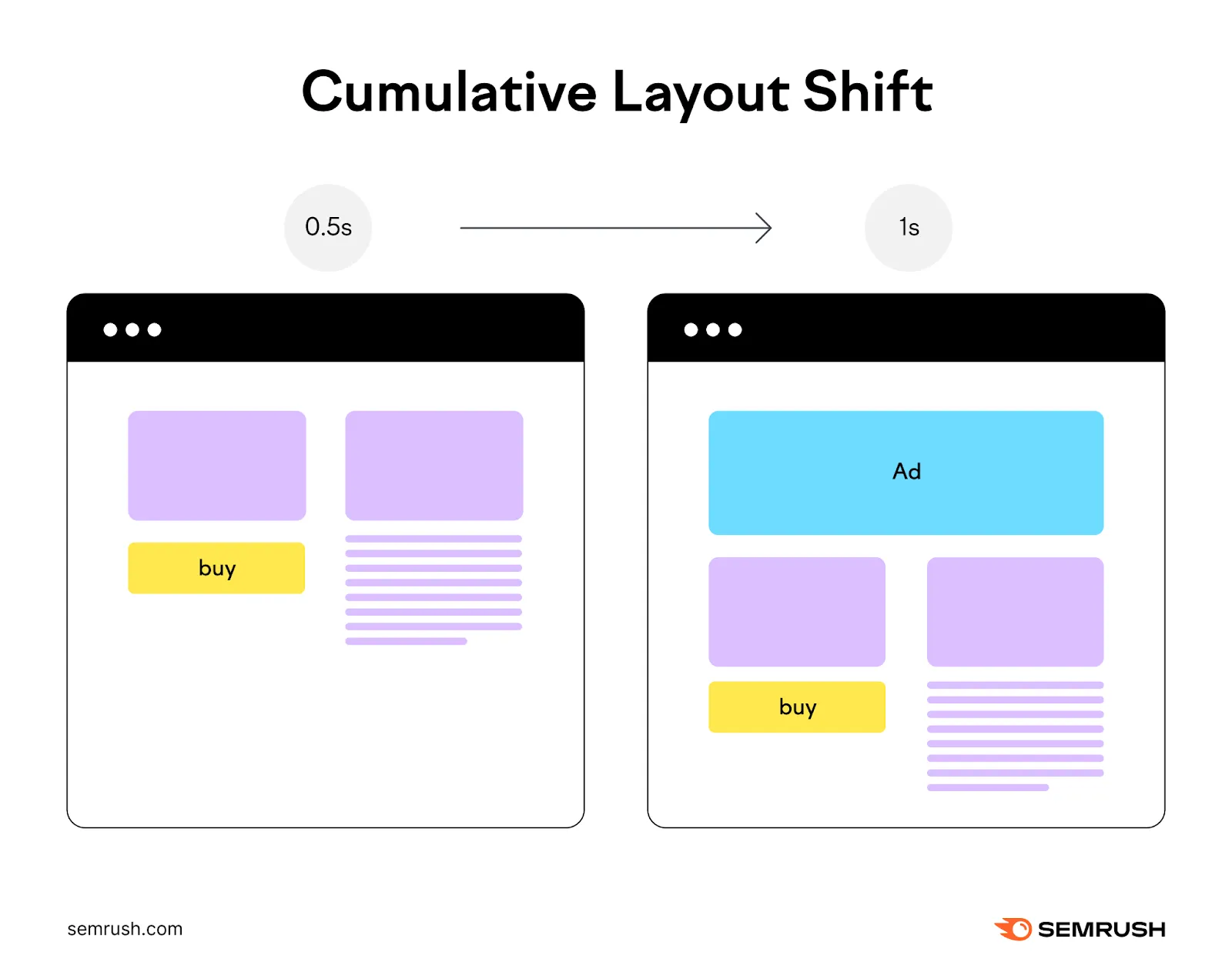
Cumulative Layout Shift (CLS) measures visual stability. Sudden layout movements—such as images jumping or text shifting—create a poor experience. Stable layouts improve trust and engagement, which indirectly supports better rankings.
Image Optimization: The Fastest Way to Improve Speed


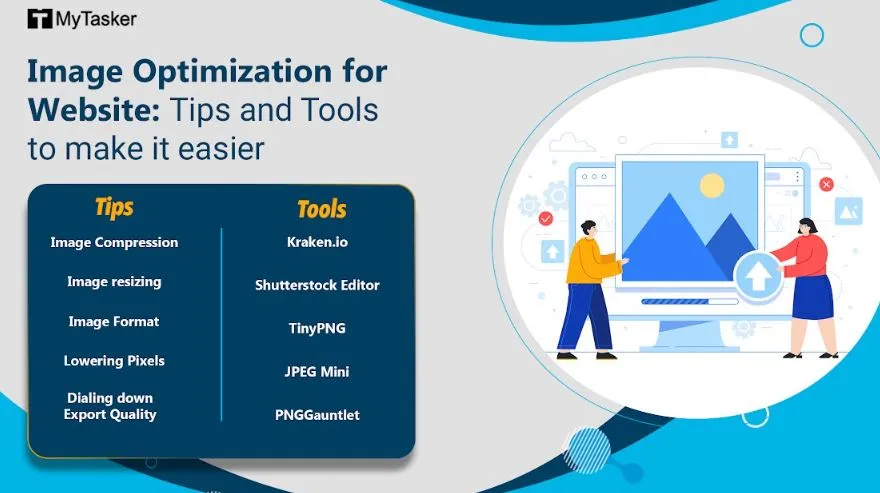
images account for more than half of a page’s total size. In 2026, modern image formats like WebP and AVIF have become standard because they reduce file size without sacrificing quality.
When images are properly compressed and lazy loading is enabled, websites load faster without affecting visual appeal. A real example includes a blog page that reduced its image weight from 5 MB to just 1.4 MB, resulting in a 2-second improvement in load time and noticeably better mobile performance.
How Caching Makes Websites Feel Instant
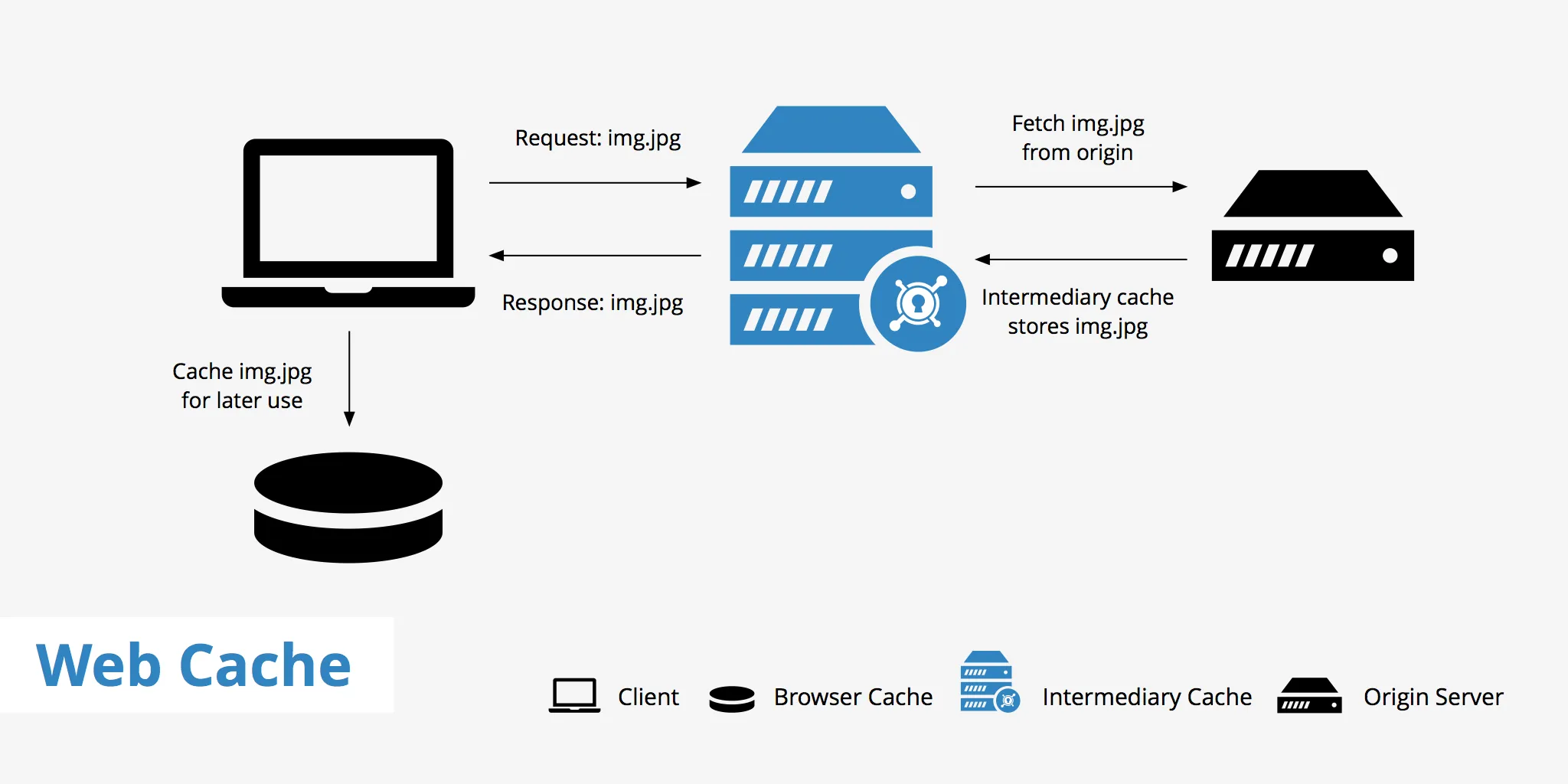
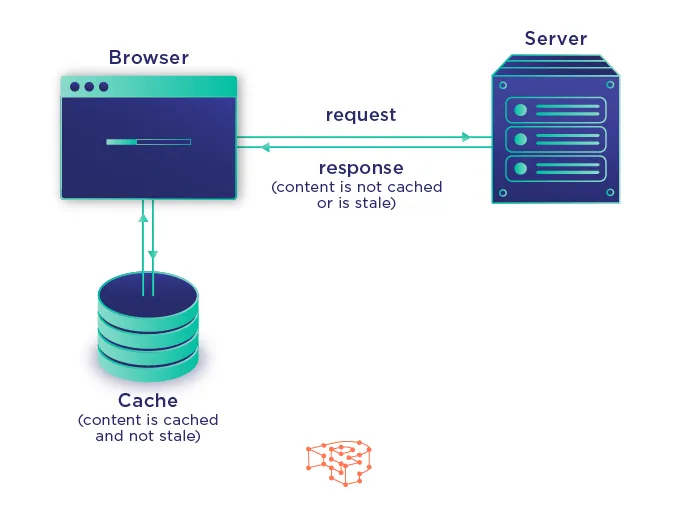
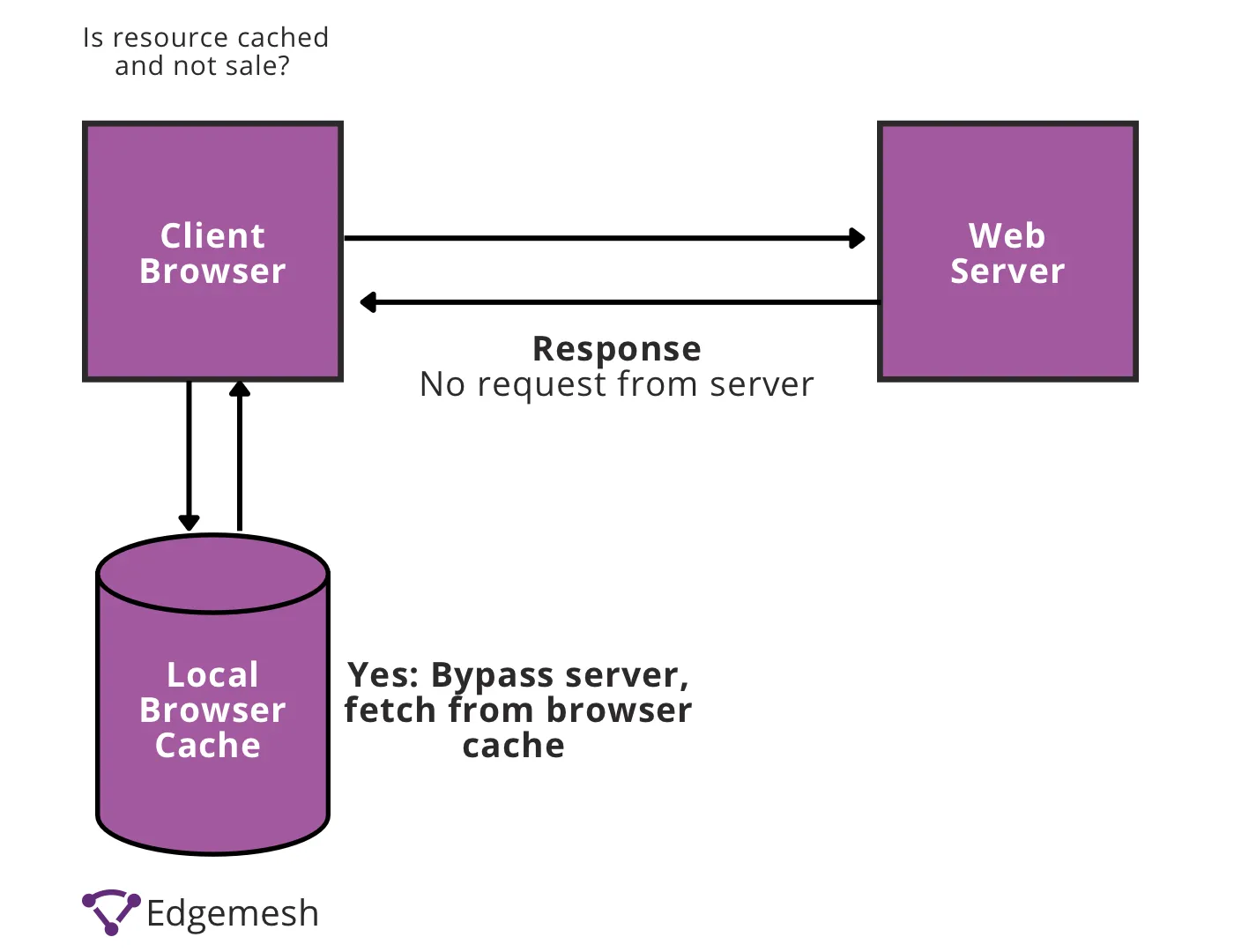
Caching plays a critical role in website speed optimization. Instead of generating pages from scratch on every visit, caching allows websites to serve pre-built versions instantly. This dramatically reduces load time and server strain.
In real-world scenarios, properly configured caching can make websites three to five times faster. For WordPress websites especially, caching combined with optimized hosting often delivers the biggest performance gains.
JavaScript Optimization for Better Responsiveness
Modern websites rely heavily on JavaScript, but excessive scripts slow down performance – especially on mobile devices. In 2026, the focus is on loading only what is necessary, when it is necessary.
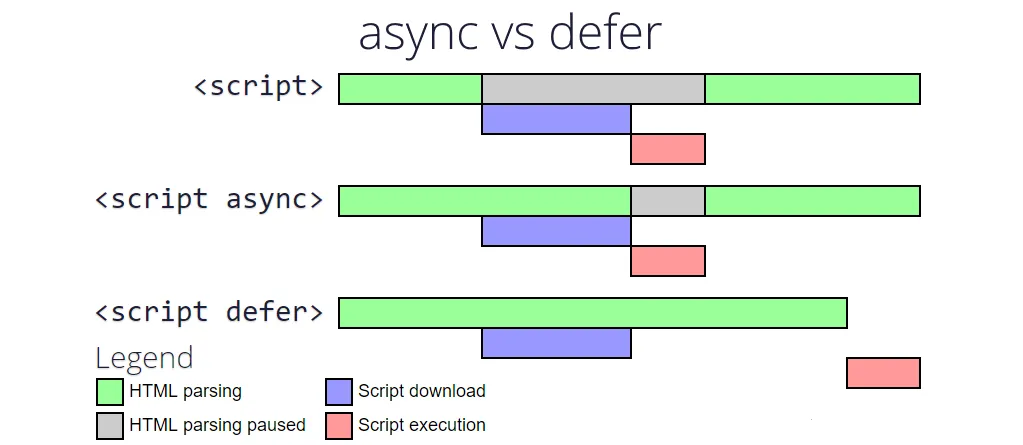
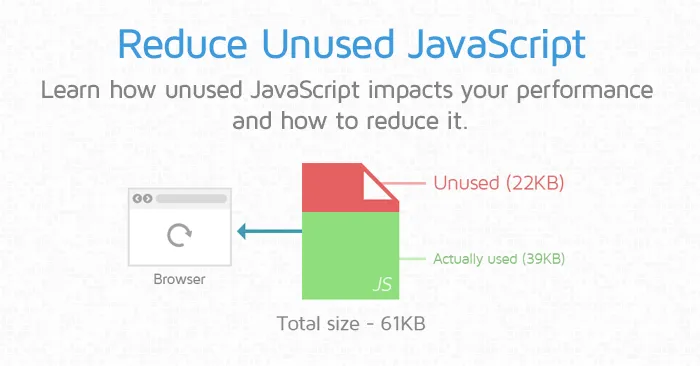
Websites that defer non-critical scripts and remove unused JavaScript experience faster interactions and smoother scrolling. This directly improves INP scores and overall user satisfaction.
Mobile Speed Optimization Is No Longer Optional
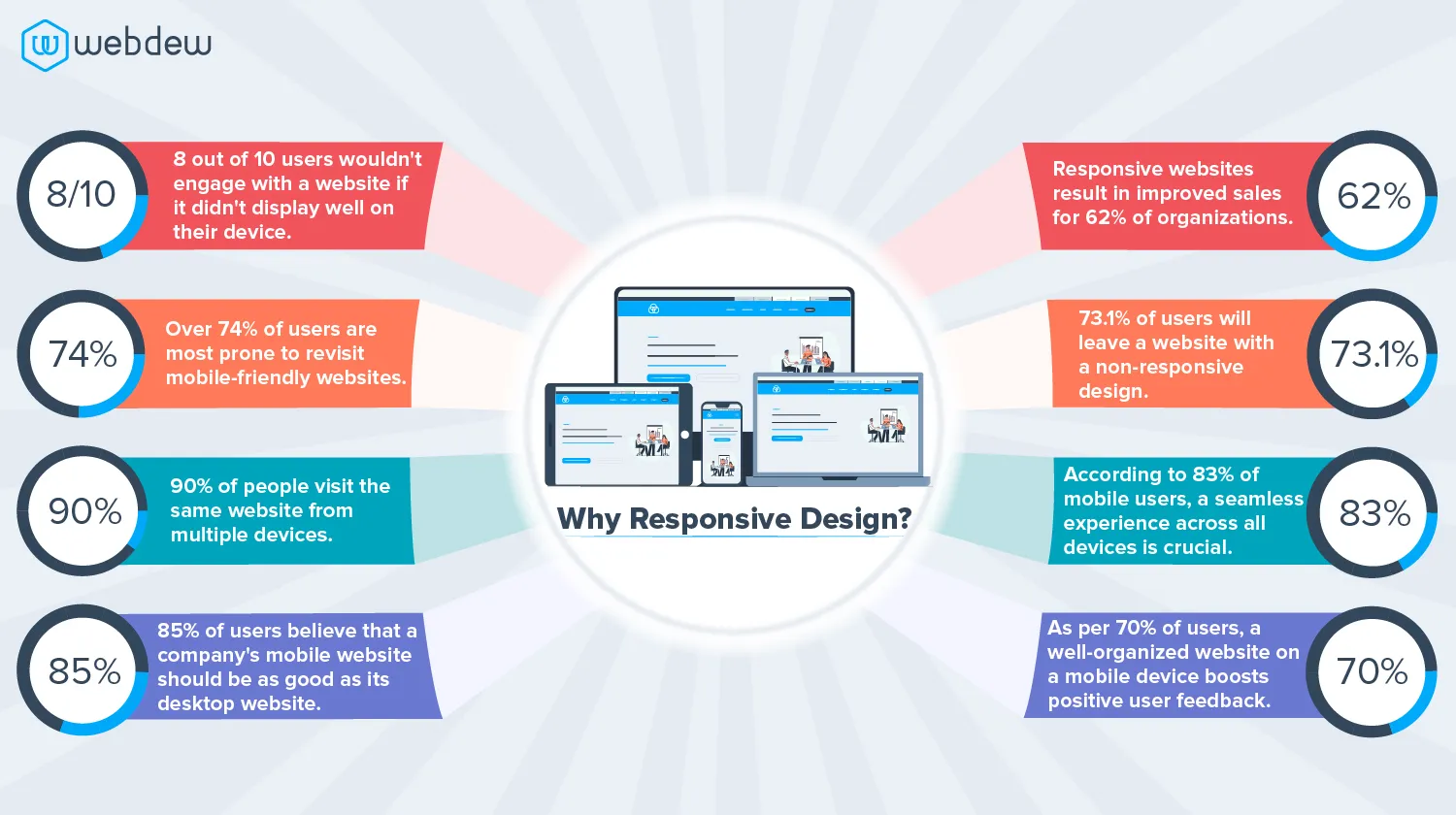
With mobile traffic dominating the web, Google now prioritizes mobile performance over desktop. A website that loads quickly on desktop but slowly on mobile will struggle to rank.
Mobile-optimized websites use lightweight designs, simplified layouts, and optimized fonts. Businesses that adopt a mobile-first speed strategy often see faster ranking improvements compared to desktop-only optimization.
Hosting and Infrastructure Matter More Than Design
Even the best-designed website can perform poorly on slow hosting. In 2026, cloud hosting, LiteSpeed servers, and managed WordPress hosting are considered best practices.
Cheap shared hosting may save money initially, but it often results in slower load times, frequent downtime, and SEO loss. Businesses that upgrade hosting frequently notice immediate improvements in speed and stability.
Why a CDN Improves Global Website Performance
A Content Delivery Network (CDN) distributes website content across multiple global servers. This ensures visitors receive data from the nearest location, reducing latency and load time.
For businesses targeting multiple cities or regions, a CDN is essential for consistent performance and improved SEO visibility.
The Rise of AI in Website Speed Optimization
Artificial Intelligence has become a powerful ally in website performance optimization. AI tools can automatically detect slow resources, optimize images, and monitor real user experience continuously.
In 2026, AI-driven optimization allows websites to stay fast even as content, traffic, and user behavior evolve.
Final Thoughts: Speed Is Your Long-Term Advantage
Website speed optimization is no longer a one-time technical task. It is an ongoing strategy that affects SEO, conversions, and brand perception. Fast websites build trust, rank higher, and convert better.
Businesses that invest in performance today gain a sustainable competitive edge tomorrow.
What is website speed optimization?
Website speed optimization is the process of improving how fast a website loads and responds to user interactions. It involves optimizing images, code, hosting, caching, and server performance to deliver a faster and smoother user experience.
Why is website speed important for SEO in 2026?
Website speed is a direct Google ranking factor in 2026. Faster websites provide better user experience, lower bounce rates, and higher engagement, which helps improve search engine rankings and organic traffic.
What is a good website loading time in 2026?
A good website loading time in 2026 is:
Under 2 seconds for desktop
Under 3 seconds for mobile
Websites loading faster than competitors gain a clear SEO and conversion advantage.
How does website speed affect conversions?
Slow websites frustrate users and reduce trust. Even a 1-second delay can reduce conversions by up to 20%. Faster websites keep users engaged, increase form submissions, and improve sales.
What are Core Web Vitals and why do they matter?
Core Web Vitals are Google’s performance metrics that measure real user experience:
LCP (Largest Contentful Paint) – loading speed
INP (Interaction to Next Paint) – responsiveness
CLS (Cumulative Layout Shift) – visual stability
These metrics directly impact SEO rankings and user satisfaction.
How can I improve my website speed quickly?
Quick website speed improvements include:
Compressing and optimizing images
Enabling caching
Minifying CSS and JavaScript
Using a CDN
Choosing fast hosting
These changes can show noticeable results within days.
Is website speed optimization important for mobile users?
Yes, mobile speed optimization is critical. Most users browse on mobile devices, and Google uses mobile-first indexing, meaning mobile performance directly affects search rankings.
Does hosting affect website speed?
Absolutely. Hosting plays a major role in website speed. Poor hosting can slow down even well-optimized websites. Cloud hosting, managed WordPress hosting, and LiteSpeed servers perform much better in 2026.
What is image optimization and why is it important?
Image optimization reduces file size without losing quality. Using formats like WebP or AVIF and enabling lazy loading helps websites load faster and improves Core Web Vitals.
How does caching improve website performance?
Caching stores ready-made versions of your website so pages load instantly instead of rebuilding every time. Browser caching and server-side caching significantly reduce load time and server stress.
Do WordPress websites need speed optimization?
Yes, WordPress websites require regular speed optimization due to plugins, themes, and dynamic content. Proper caching, image optimization, and database cleanup are essential for maintaining performance.
What tools can I use to test website speed?
Popular website speed testing tools include:
Google PageSpeed Insights
GTmetrix
Lighthouse
WebPageTest
These tools help identify performance issues and provide improvement suggestions.
How often should website speed optimization be done?
Website speed optimization should be reviewed every 3–6 months or whenever major updates, plugins, or design changes are made to ensure consistent performance.
Can AI help with website speed optimization in 2026?
Yes, AI-powered tools can automatically analyze performance, optimize images, detect slow scripts, and predict traffic spikes, making speed optimization more efficient and future-ready.
Is website speed optimization a one-time process?
No, website speed optimization is an ongoing process. As technology, browsers, and user behavior evolve, continuous optimization is required to stay competitive and maintain high rankings.